4 Takeaways from the Automotive Training Expo in Seattle
Quick Takeaways
- Understanding personality types with tools like DiSC helps staff connect better with customers and handle challenging situations effectively.
- Making the service process easy and flexible for customers—such as offering shuttle services and after-hours drop-offs—reduces friction and builds loyalty.
- Empowering staff through clear policies and observing their workflows can significantly boost productivity and job satisfaction.
- A professional yet personable online presence, including a simple 'About Us' page, fosters trust and community feeling among customers.
- Focusing on the customer’s emotional experience and sense of safety is key to building lasting relationships and a successful auto shop.
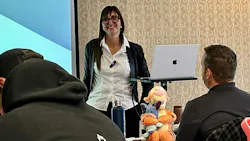
Shop owners, managers, service advisors, and technicians from across the Pacific Northwest convened in late March for three days of team building, customer service, and branding insights.
Hosted by the Northwest Auto Care Alliance, the Automotive Training Expo took place at the DoubleTree by Hilton Hotel Seattle Airport from March 27-29. National Oil and Lube News attended the show all weekend and returned with four key takeaways that you can take back to your own shop.
Seawell: Understanding the Role Psychology Plays in Auto Repair
In the automotive industry, people are at the center of everything. From ensuring the safety of each driver to maintaining a standard of living for your employees, understanding how to work with different types of people is crucial—and there are solid strategies for how to do so. In his session, “Mastering Challenging Situations,” Mark Seawell outlined how tools like the DiSC personal assessment helps break down different behaviors and personality types into categories that help you understand how to connect with different kinds of attitudes.
Whatever type of personality you may be interacting with, one factor remains the same: Customers want to feel heard. Having a deeper understanding of how you can adapt to accommodate different needs will achieve just that.
“The D people, they really want you to be brief, be bright, be gone,” surmised Seawell. “The I people just want to be involved. The S people want you to show them that they care. And the C people need all the details.”
Schindler: Make it Easy for Your Customer
For most customers, entrusting their vehicle to a stranger can be anxiety inducing. Since most have enough on their plate to worry about, avoid making the process of doing business with you another troublesome task for them to navigate.
Brittany Schindler, owner of Rod’s Japanese Auto, showed how there are measures you can put in place to ensure peace of mind for the customer, including shuttle services, financing options, or after-hours drop-off. Shops that offer these amenities are instantly elevated over those that aren’t as flexible.
“Customers want you to be ridiculously easy to do business with. They do not want there to be friction in there. Like, ‘Aw, man, I gotta go drop it off at night,’” Schindler said. “We don’t want that to happen unless your customer’s like, ‘Sweet, I can drop it off tonight. That makes it easy.’”
Amero: Empower Your Staff to Succeed
Every shop is looking for that superstar service advisor; but it’s a fruitless endeavor if you don’t have a system in place where they can flourish. Tom Amero, director of operations at Elite Worldwide, touched on what businesses can do to bolster performance and productivity.
Amero shared the story of a shop owner, who had an employee that repeatedly struggled with maintaining the same productivity levels as his colleagues. He was nearly at his wit’s end—but upon taking the time to stand back and observe the employee during a shift one day, he saw that a simple policy misunderstanding was causing the advisor to perform the process incorrectly. Once he was corrected, his productivity numbers rose to match his coworkers.
The story underscores not only the importance of having a standardized process in place for employees to follow but making sure that everyone is on the same page for every step.
“How many times do we have employees in the shop and we think, ‘Oh my gosh, this behavior is bad; somebody is really inefficient; my service advisor can’t close these deals; every time this situation happens on their phones, they botch it.’ And we think it’s them, when really maybe we’ve just got a bad process,” said Amero.
Patterson: A Shop That Can Run Independently
Melissa “Birdie” Patterson has nearly 30 years of experience in the automotive industry, which included working alongside the late Maylan Newton. In her session, “W.W.M.D. - What Would Maylan Do?,” Patterson helped wrap up the conference by sharing insight from Newton, one of the aftermarket’s most impactful figures.
Having a polished, professional image is undoubtedly important. But Patterson took time to remind attendees that customers are also looking for a connection as well. They want to feel like they’re working with a person who cares about them, not just their money. When you look at your business’ online presence, what does it say about you and your team?
While shops should avoid having busy, cluttered websites, having a simple “About Us” page for customers to see makes you more memorable in their mind. They know the names and the faces behind the team to whom they’re entrusting their vehicle, and who they’ll be coming to with questions. As Newton would have said, the auto repair industry is not just about fixing cars but helping people make decisions.
“People are buying peace of mind. They’re not buying a brake pad. They’re buying how it feels to work with you,” Patterson said. “They’re asking, ‘Do I feel safe; do I feel part of the community?’ So, you want to make sure that you are providing that.”
About the Author
 Kacey Frederick
Kacey Frederick
Assistant Editor
Kacey Frederick joined as the assistant editor of NOLN in 2023 after graduating from the University of Arkansas at Fort Smith with a bachelor’s in English and a minor in philosophy. The grandchild of a former motorcycle repair shop owner, he’s undergone many trials and tribulations with vehicles. Now the proud owner of a reliable 2011 Toyota Camry, he works to represent those in the service industry that keep him and so many others safely rolling on.