iFLEX at AAPEX | Right to Repair, Fight for Data Access are Top of Mind for PAMA
Key Highlights
Produced with support from PAMA.
This show takeover was sponsored by our iFLEX at AAPEX coverage partner, The Preventive Automotive Maintenance Association.
When it comes to tackling legislative issues affecting the quick lube industry, the Preventative Automotive Maintenance Association is looking at the big picture—taking on the major policy issues with the broadest impact on the preventative automotive maintenance sector.
The association will be forging ahead through a shifting political landscape following the results of this week's U.S. elections.
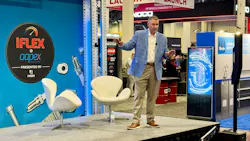
On Wednesday, Towner French of Potomac Strategic Consulting, provided an inside look at key election outcomes, shifts in congressional leadership, and the policy priorities likely to shape the year ahead, specifically as they relate to quick lube operators and preventative maintenance professionals.
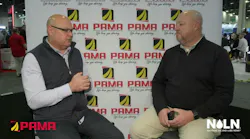
Amid that sea change, Justin Cialella, president and CEO of Victory Lane Quick Oil Change and chair of PAMA's Government Affairs Committee, spoke with NOLN ahead of iFLEX about PAMA’s legislative priorities, the road ahead, and how quick lube owners can get involved in advocacy within and for the association.
Here are three key takeaways from the conversation:
Right to Repair remains PAMA’s top legislative priority. In recent years, PAMA has shifted its advocacy efforts toward the macro issues facing the industry. The most recent example, Cialella says, is Right to Repair. PAMA representatives have spent considerable time on Capitol Hill meeting with lawmakers involved in Right to Repair legislation, including U.S. Rep. Neal Dunn (R-Florida), and Sens. Josh Hawley (R-Missouri) and Ben Ray Lujan (D-New Mexico).
“We also spend a fair amount of time debunking what the other side is saying about what we're trying to accomplish here,” Cialella says. “We have a real simple goal: Give people choice on where they want to have their vehicle repaired. We're not talking about warranty work. We are talking about repair work that is out of warranty that everyday consumers encounter, whether it's on the maintenance side or whether it's on the repair side.”
In recent years, PAMA has organized four “D.C. fly-ins” to the nation’s capital, in order to facilitate meetings between suppliers, operators, and legislators.
PAMA is also addressing other issues and priorities. PAMA’s Government Affairs Committee is also addressing other issues impacting quick lube and fast auto maintenance operators, including PFAS liability concerns, OSHA heat illness regulations, labor and wage rules, and recall-related industry impacts.
As Cialella explained, as PFAS were declared a hazardous chemical during the Biden administration, the liability exemption for used motor oil given to service centers was not extended to passive receivers, such as quick lubes or auto dealers.
“We are fighting to make sure that the EPA recognizes under the existing CERCLA (Comprehensive Environmental Response, Compensation, and Liability Act) laws that we have that exemption for these PFAS chemicals, because that is going to be the next issue that arises,” he said.
Vehicle data control is the next big industry battle. Beyond repairing and performing maintenance services on vehicles, restricted access to data generated by connected vehicles looms as a threat to the aftermarket industry.
“The OEMs realize that this is a huge opportunity,” Cialella said. “As these vehicles evolve, they're less about the utility of the transportation of the vehicle and more about the data that's collected by where you're traveling, where you're going, where you're shopping, how you're driving that vehicle. Most of these vehicles now have infotainment centers in them or infotainment screens. They want to be able to market directly to you.”
Cialella envisions a day in the not-too-distant future where third-party companies will be able to deliver targeted ads to drivers in their vehicles, such as a grocery store offering a promotion on the price of milk.
“We won’t be able to stop that, but we should also not be prohibited from being on the screen," he said. “We should be able to say, ‘Victory Lane is offering $25 off your next oil change.’ Right now, that’s not something that’s on the table.”
***
Cialella concluded by encouraging fast lube owners and operators to get involved by joining PAMA and participating in the association’s committees, such as Government Affairs.
“If you’re a single operator, (a PAMA membership) is the best $499 you can spend,” he said. “The information you’re going to get from one government affairs call is more than going to cover what you're spending in membership because you're going to avoid OSHA issues. You're going to avoid labor issues and other state regulatory issues that may come up. It’s money well spent.”
About the Author
 Tom Valentino
Editor
Tom Valentino is the editor of National Oil and Lube News. A graduate of Ohio University, he has more than two decades of experience in newspapers, public relations and trade magazines, covering everything from high school sports to behavioral health care. Tom’s first vehicle was a 1990 Mazda 626, which he used to deliver pizzas in the summer after graduating high school. Today, he drives a 2019 Jeep Compass, which usually has a trunk full of his daughter’s sports gear. In his spare time, Tom is an avid Cleveland sports fan and a volunteer youth sports coach.
Don't miss Tom Valentino's next article. Sign up for NOLN's Quick Lube Report and This Month in NOLN newsletters.