iFLEX at AAPEX | PAMA Management Course Builds Innovative Leaders
Key Highlights
https://www.automaintenance.org/page/managementcourse
A successful oil change facility needs more than just a prime location, reliable equipment, and efficient day-to-day operations to be effective. At the center of it all often lies an effective leader. Someone who can guide employees, serve customers well, and build a workplace focused on learning and improvement.
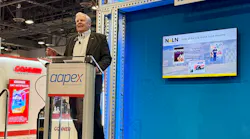
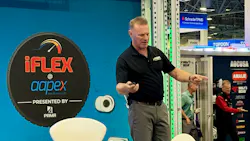
That message is what Matt Webb, president and owner of Premier Oil Change, discussed during a presentation on shop management best practices at the iFLEX at AAPEX in Las Vegas.
“We're hoping that after attendees hear my presentation, they will sign up for the PAMA Management Course,” Webb told NOLN ahead of the event. “That's the intent of this talk. To draw attention to the effectiveness of the course and educate people on how to be a more efficient leader.”
The presentation was designed to provide attendees a preview of the practical skills and topics they can expect to explore in the course.
Course Curriculum Preview
More specifically, Webb gave a brief overview of the following eight core sections that are within the PAMA Management Course:
- Leadership
- Manager Responsibilities
- Customer Relations
- Safety & OSHA Standards
- Attracting and Retaining Quality Employees
- How to Implement an Excellent Training Program
- Financial Management
- Regulatory Compliance
According to Webb, these core management practices are key to any shop's overall success.
“The overall success of a manager’s facility comes down to the leader,” Webb said. “There's an old saying that says, ‘Everything rises and falls on leadership.’ You could have a great location with a poor leader and get poor results, or you could have a poor location with a great leader and get good results. The leadership skills of a manager are critical to the overall success, profitability, and longevity of the business.
For Webb, strong leadership is tied closely to ongoing learning and professional development.
Learning Beyond Certification
Although the presentation was intended to give attendees a brief overview of the PAMA Management course, that was not the only message Webb hopes they would leave with.
“I hope that my presentation will inspire shop owners, shop managers, and key personnel to focus on continual learning and betterment of themselves and their people,” Webb said. “Even if they don't sign up for our manager certification course.”
Webb also hoped to highlight the educational opportunities associated with PAMA membership.
“The educational opportunities that PAMA provides through manager certification course, the online technician academies, and other avenues are numerous, PAMA members should definitely take advantage of them,” Weber said.
The next PAMA Management Course is scheduled this winter in Houston, Texas on Dec. 8–9.
To sign up and learn more about the PAMA Management Course visit: https://www.automaintenance.org/page/managementcourse.